Somewhere in your house or on your phone is a note you need and cannot find. That is usually the moment people start asking whether paper or digital is better — but the honest answer depends on what you want the notes to do. Retention, searchability, distraction and cost all pull in slightly different directions, and the most comfortable note-takers tend to mix formats rather than pick a side.
Start with the job, not the format
Notes do two quite different jobs. Some help you think and remember: lecture notes, a summary of a book, the plan for a project you are wrestling with. Others help you retrieve: a client's address, the name of the restaurant someone recommended, the reference number you will need next month.
Paper suits the first job. Digital suits the second. Once you separate them, most of the paper-versus-digital argument disappears, because you are no longer asking one format to do everything.
Before you buy another notebook or app subscription, ask one question: when I come back to this, will I be rereading it or searching it? Your answer narrows the choice immediately.
Retention: why handwriting tends to stick
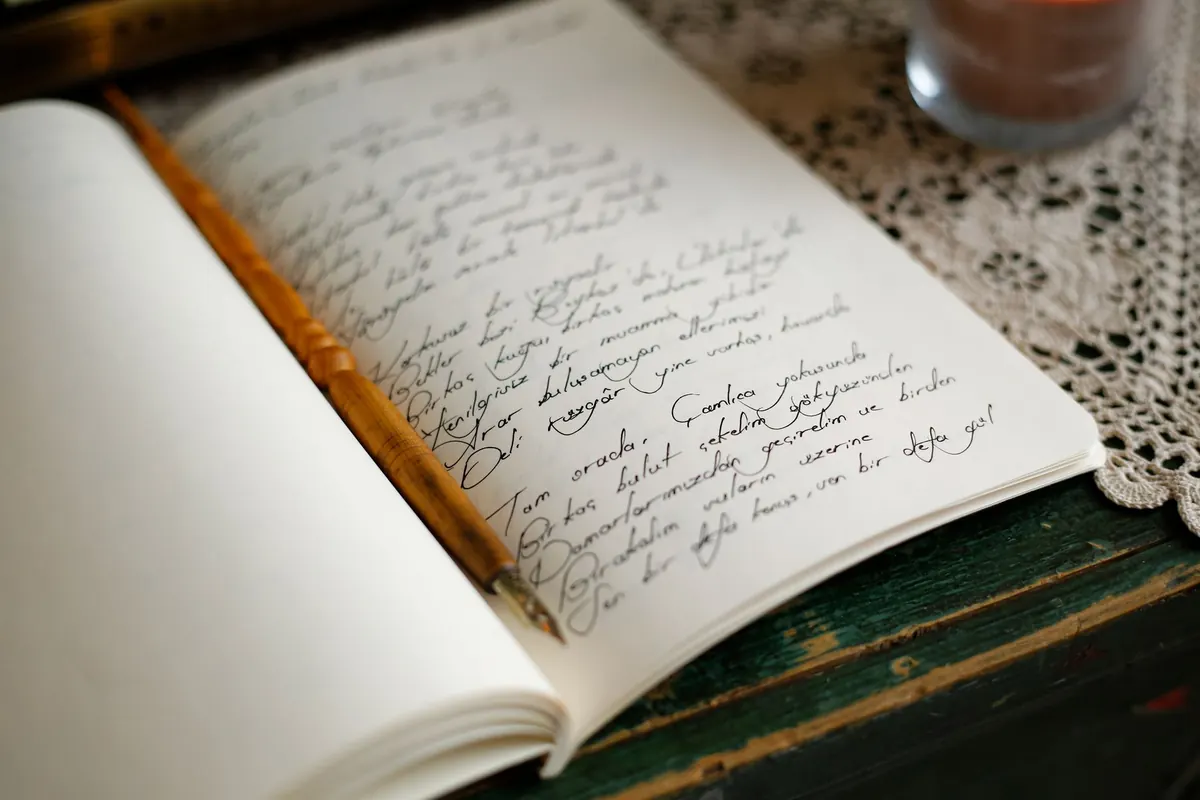
Handwriting is slower than typing, and that slowness is the point. You cannot write down every word, so you filter. You abbreviate, redraw the diagram, decide what actually matters. That processing is where much of the memory benefit lives — not in the paper itself.
Typing, by contrast, makes it easy to transcribe without thinking. In a fast lecture or a long meeting you can capture nearly everything and understand almost none of it. You end up with a complete record and a vague memory of the hour.
Where paper wins
- Lectures and talks, where summarising as you go beats transcribing.
- Maths, science and anything involving diagrams, arrows or symbols.
- Planning, brainstorming and working through a decision.
Where digital wins
- Meetings where you need an accurate record of who agreed to what.
- Interviews, reading notes and anything you might quote.
- Long lists you will keep adding to and reordering.
If retention is your priority, write by hand and rewrite the important parts digitally afterwards. The rewrite is not wasted effort; it is a second pass over the same material.
Searchability: the case for digital
Six months from now you will remember that you once wrote down the name of a book, and nothing else. With digital notes, one word in the search bar finds it. With paper, you are flipping through pages and hoping you dated them.
That retrieval gap is the strongest argument for keeping reference material digitally. It is also easy to close most of the way in a paper notebook with two habits:
- Number every page as you go, and leave the first page blank as a contents list.
- Date each entry and add a short margin heading — "budget", "roof repair", "chapter 4" — so your eye has something to catch on.
Do those two things and a paper notebook becomes searchable enough for most personal use. It will never match a keyword search, but it stops the notebook becoming a black hole.
Distraction: the quiet tax on digital
A paper notebook cannot notify you. That is a genuine advantage when the task needs sustained attention: drafting, revising, thinking a problem through. The phone sitting next to it can, though — so paper only helps if the phone goes in a drawer.
Digital notes carry a different tax. You open the app to write one line and see a badge, a message, a headline. Ten minutes later you have written nothing. If you take notes digitally, close everything else, switch off notifications for the note app and the browser, and work in full-screen mode. If you cannot resist switching tabs, that is useful information: use paper for the thinking work and keep digital for capture and storage.
Cost: what you are really paying for
Paper looks cheap and adds up. Notebooks, pens, highlighters, sticky tabs — a steady trickle of small purchases, and the notebooks worth keeping are rarely the cheapest ones. Digital looks free once you own a device, but syncing and storage usually mean a subscription, and devices get replaced.
Neither is dramatically cheaper than the other over a few years. The cost that actually matters is time. If you spend five minutes hunting for a note every other day, that is hours across a year, and it dwarfs the price of a notebook. Pay for whichever format gets you back to the information faster, then keep the setup simple enough that you will maintain it.
The hybrid most people settle into
Rather than choosing a side, split by task and stay consistent about it.
- Handwrite: thinking, planning, lectures, diagrams, journal entries and anything you want to remember.
- Type: reference details, meeting minutes, quotes, shared project notes and anything you will search.
- Transfer: at the end of the day, photograph handwritten pages into one folder named by date, or type up the few lines that matter.
One rule keeps this from turning into a mess: everything eventually lives in one place. If your digital folder is the archive, move the photos there. If it is a paper file, print the typed summary.
Choosing in five minutes
Next time you sit down to take notes, run through this quickly.
- Ask whether you will reread or search this later.
- Choose paper for understanding, digital for retrieval.
- Remove the obvious distraction — phone away, or notifications off.
- Date, title and number the page, whatever the format.
- Review within a day, and move anything you will need again into your archive.
Try one format for a fortnight and notice what you actually reach for. The best system is the one you use without debating it, and for most people that means a pen for the thinking and a search bar for the filing.
Photo: Towfiqu barbhuiya / Pexels